Are MagSafe Cases Worth It in 2026? What the Magnets Actually Do
6 September 2026 · CaseStores
Almost every phone case sold in 2026 says "MagSafe compatible" somewhere on the box. Some of them genuinely are. Plenty of them have a token magnet ring that drops your phone off a charger the moment you nudge the table. Here is how to tell the difference — and whether you need MagSafe at all.
What MagSafe actually is
MagSafe is a ring of magnets built into the back of modern iPhones, arranged in a circle around the wireless charging coil. It does three jobs:
- Aligns wireless charging perfectly so you charge at full speed instead of the slow trickle you get when the coils are slightly off.
- Holds accessories in place — chargers, car mounts, wallets, tripods, battery packs — with a firm snap.
- Tells the accessory what it is through a small authentication chip, so the phone can adjust charging behaviour.
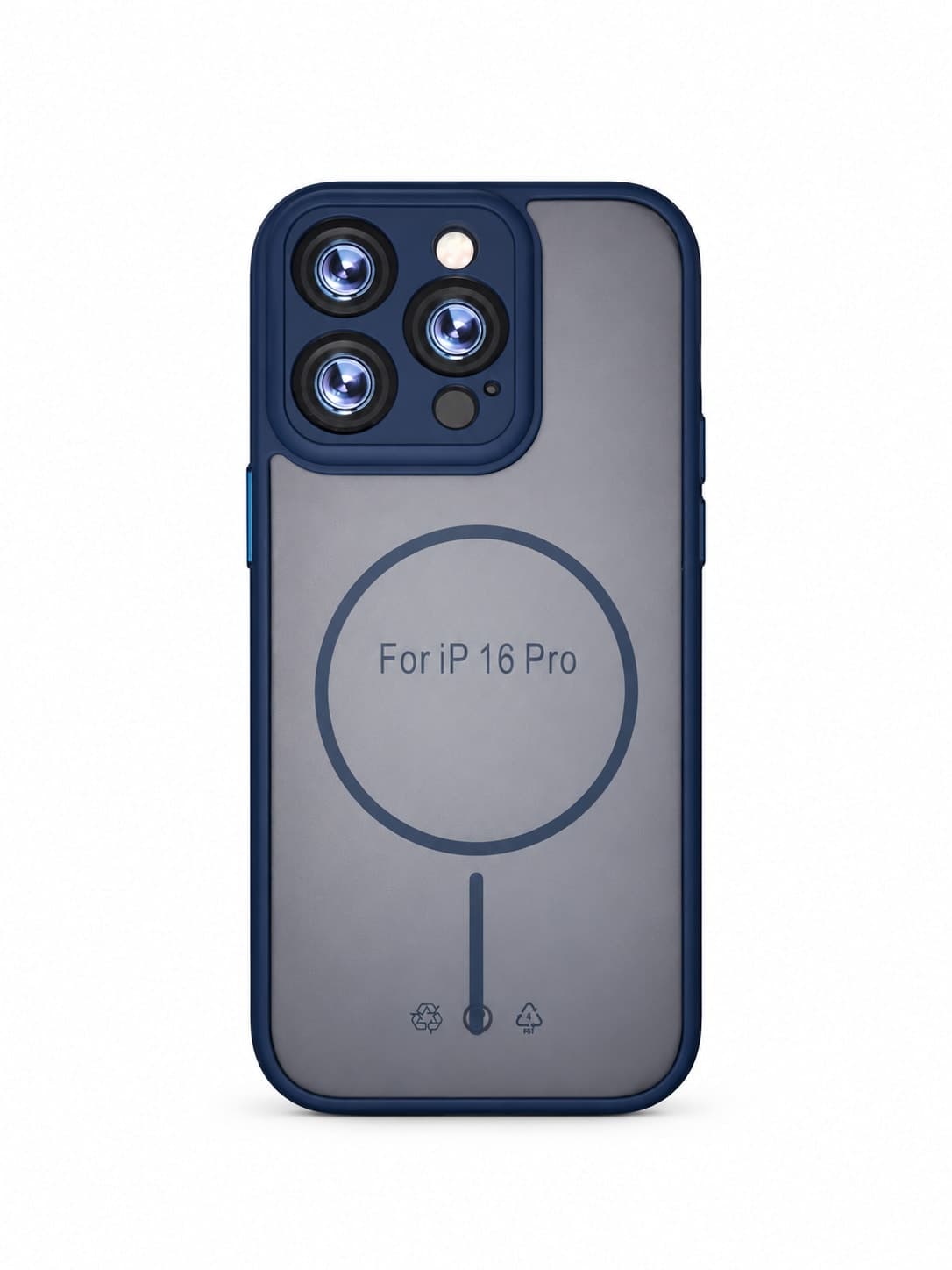
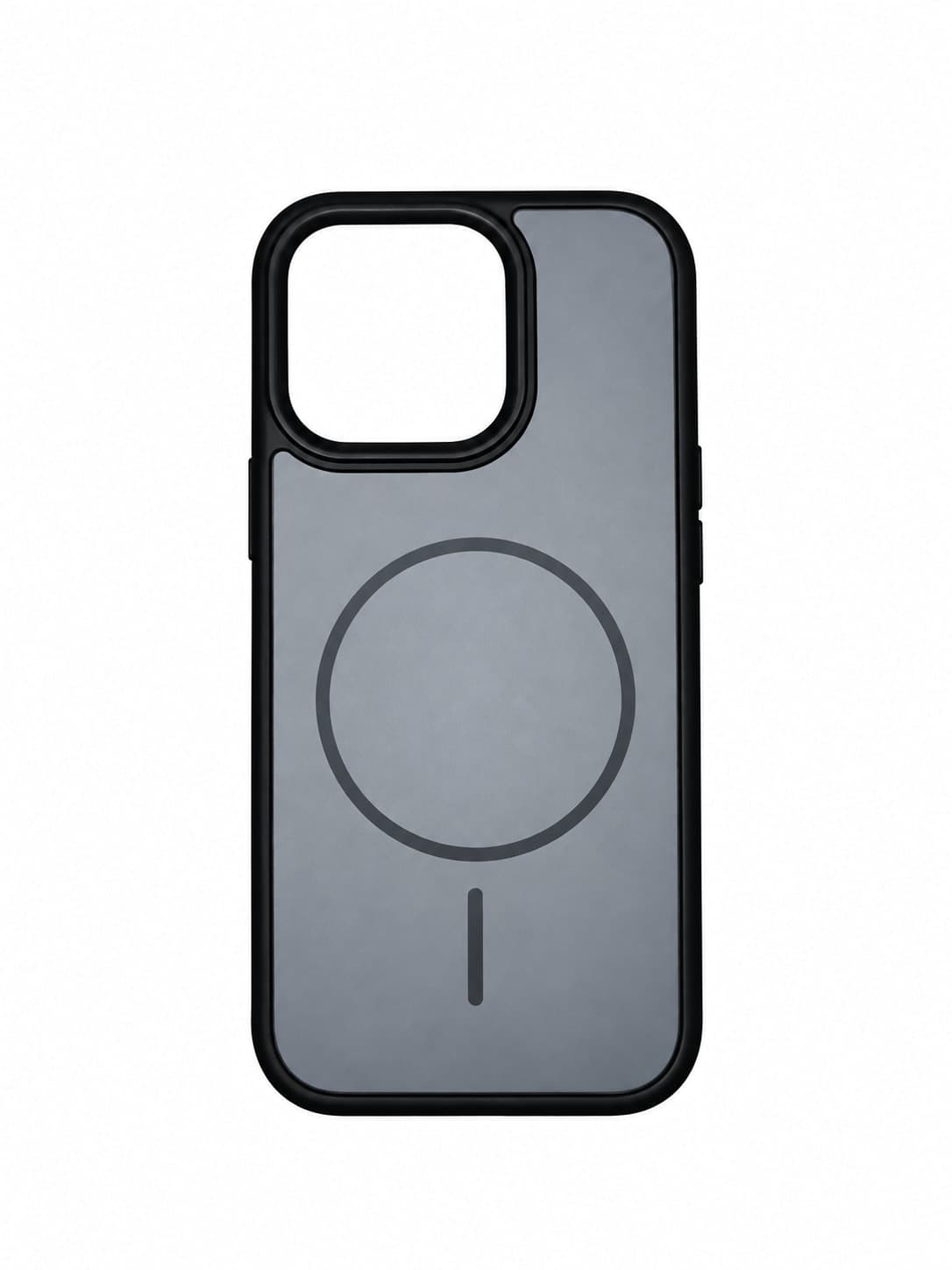
A MagSafe case has its own matching ring of magnets embedded in it, lined up with the phone's ring, so the magnetic pull passes through the case instead of being blocked by it.
Does a case block MagSafe if it has no magnets?
Partly. A thin case without a magnet ring will still let a MagSafe charger stick — weakly. The hold is soft, alignment is hit or miss, and anything with weight (a wallet, a car vent mount) will slide or fall.
A thick case with no ring can kill the connection entirely. This is the single most common complaint we see: someone buys a 2mm rugged case, assumes MagSafe "just works," and their charger keeps sliding off overnight.
Bottom line: if you use any magnetic accessory, buy a case with an actual built-in magnet ring. Do not rely on the phone's magnets reaching through a bare case.
The magnet strength problem
This is where 2026 listings get sneaky. "MagSafe compatible" is not a regulated term. A case can have four weak magnets and still use the phrase.
Real MagSafe holds at roughly 1,100–1,500 grams of force (about 11–15 newtons). Weak knock-off rings manage half that. The phone will stick to a flat charging pad, but:
- It sags on a car mount over bumps.
- A MagSafe wallet slides down in your pocket.
- A battery pack peels off if the cable tugs it.
How to spot a strong ring before you buy
- Look for a stated figure — "1,400gf hold," "15N," or "N52 magnet array." Vague wording ("premium magnets") usually means weak.
- Check whether it is "Made for MagSafe" certified by Apple. That is the gold standard, though many good non-certified cases now match the strength.
- Read reviews specifically for the words car mount and wallet. Those are the tests that expose a weak ring.
When a MagSafe case is worth it
Worth it if you:
- Use a magnetic car mount (the biggest reason — nothing else is as convenient).
- Own or want a MagSafe wallet, battery pack or tripod.
- Charge on a stand and want full-speed, correctly-aligned charging.
- Hate fiddling a cable in at night.
Not worth paying extra if you:
- Only ever charge with a cable.
- Put your phone on a flat pad and never move it.
- Use a pop-socket or ring grip that would cover the magnets anyway.
Even then, MagSafe cases have gotten cheap enough that there is little downside to future-proofing.
MagSafe and case material
- Silicone and printed cases: magnets work fine as long as the ring is there.
- Transparent cases: you can often see the ring outline faintly — that is normal.
- Rugged cases: the ones that do MagSafe well cost a little more because they route magnets around the thicker shell. The cheap ones skip it.
- Metal cases or cases with metal plates/kickstands: these can interfere. Check the listing carefully.
The short version
MagSafe itself is genuinely useful — mostly for car mounts and full-speed stand charging. A MagSafe case is worth it if you use any magnetic accessory. But "MagSafe compatible" on the box means nothing on its own in 2026 — look for a stated magnet strength or Made for MagSafe certification, or you will end up with a phone that keeps sliding off things.